
A warmer home for less every month.
Solar panel and battery storage installations, insulation, draught proofing, ventilation and low-energy heating upgrades. We start with what your property actually needs — not whatever we happen to be selling.
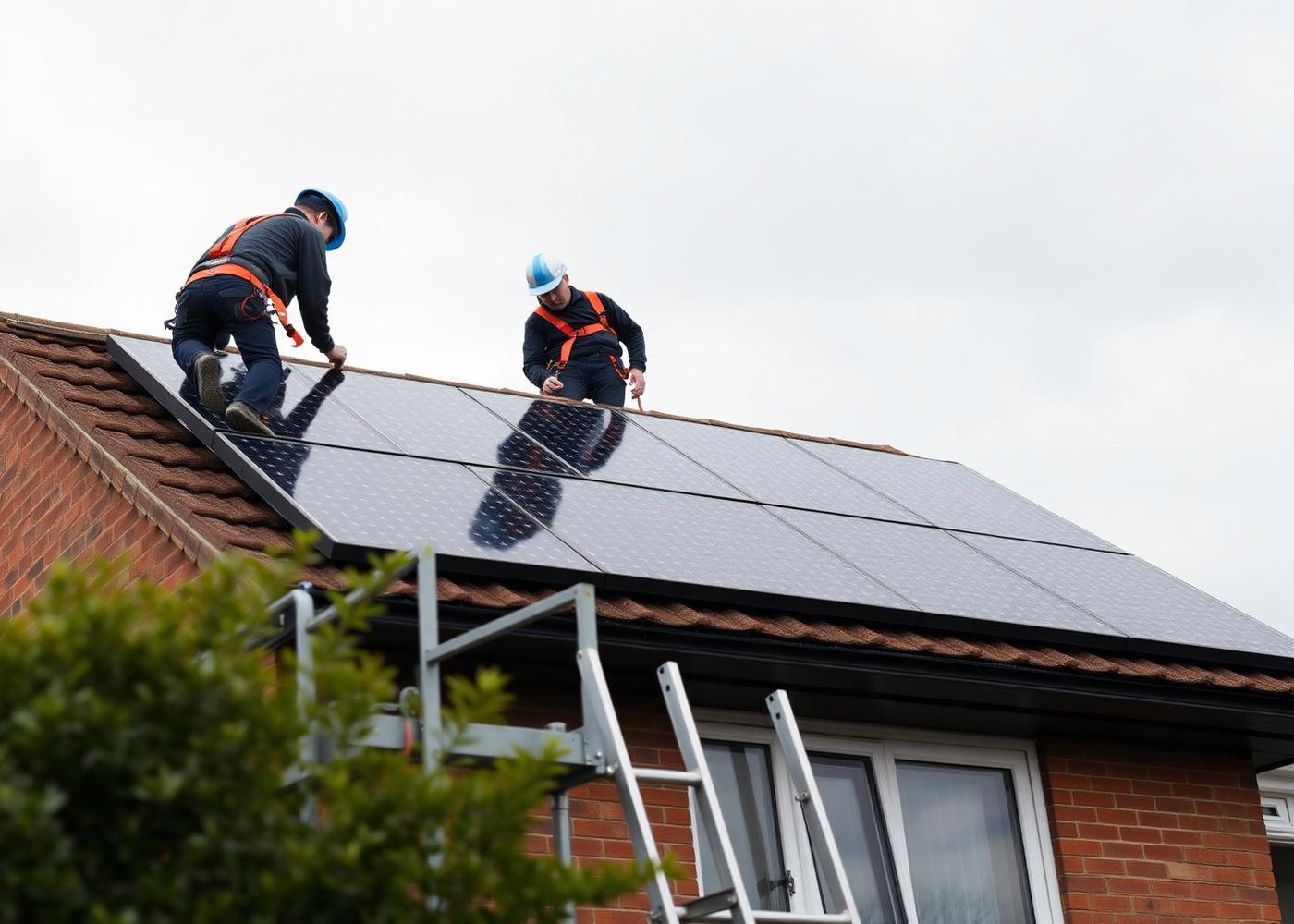
Solar panel installations
We design and fit roof-mounted solar PV systems sized around your actual electricity use, not a generic package. That includes a roof and shading assessment, panel layout, mounting, inverter, DC/AC isolation, MCS-standard workmanship and full commissioning paperwork.
Most domestic installs are completed in one to two days with scaffolding, and we handle the DNO notification so your system is registered properly from day one.
Battery storage that pays for itself
A home battery stores what your panels generate during the day so you use it in the evening instead of buying it back at peak rates. Paired with a cheap-rate overnight tariff, a battery also works well on homes without solar.
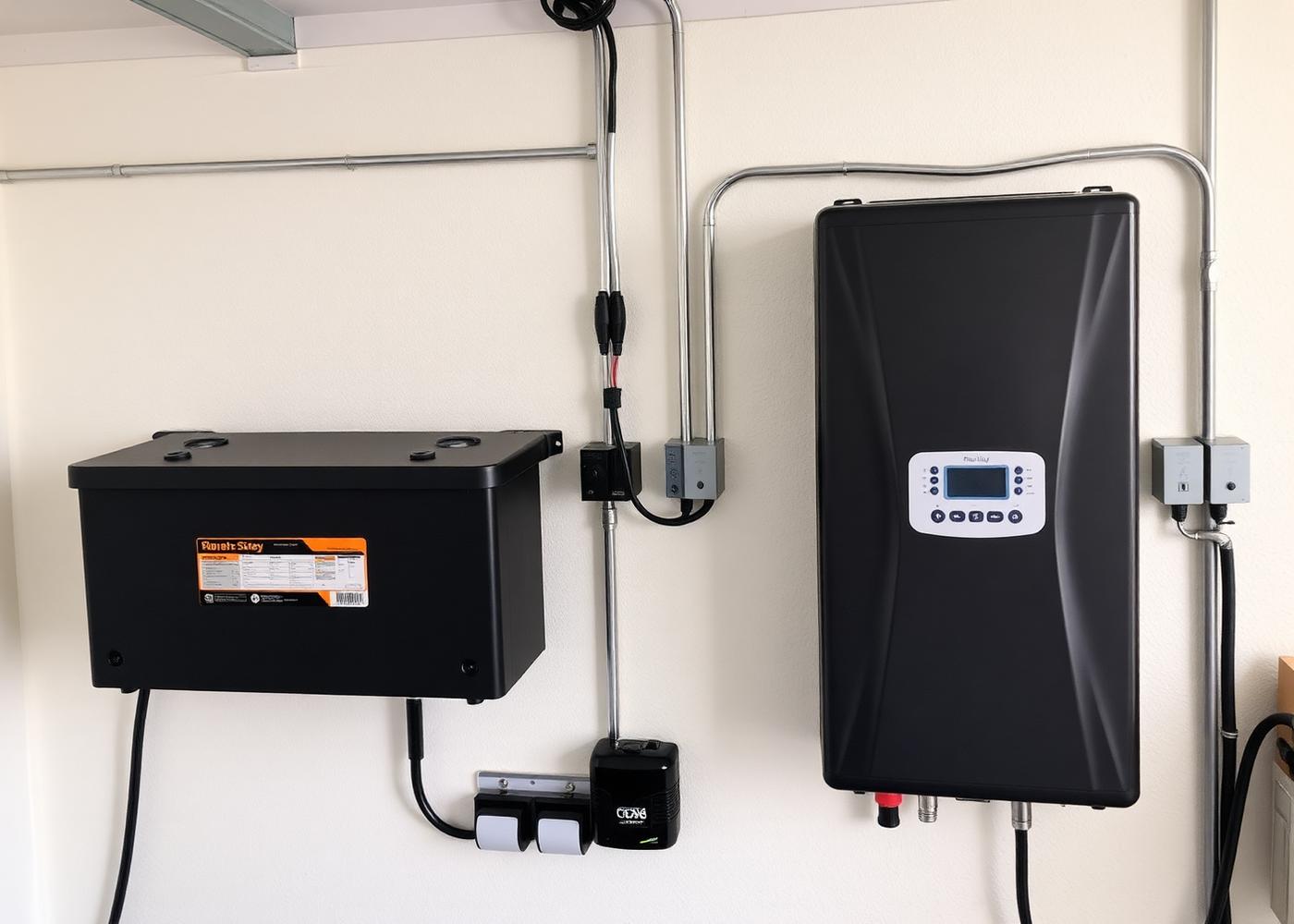
We install wall or floor-mounted batteries with hybrid inverters, app monitoring and tidy, fully certified electrical work — retrofitted to existing solar or as part of a new system.
We survey before we quote
Every home loses heat differently. We look at the loft, walls, floors, glazing and ventilation, then tell you where your money goes furthest — sometimes that's a £400 job, not a £4,000 one.
PIV units — condensation, damp and mould control
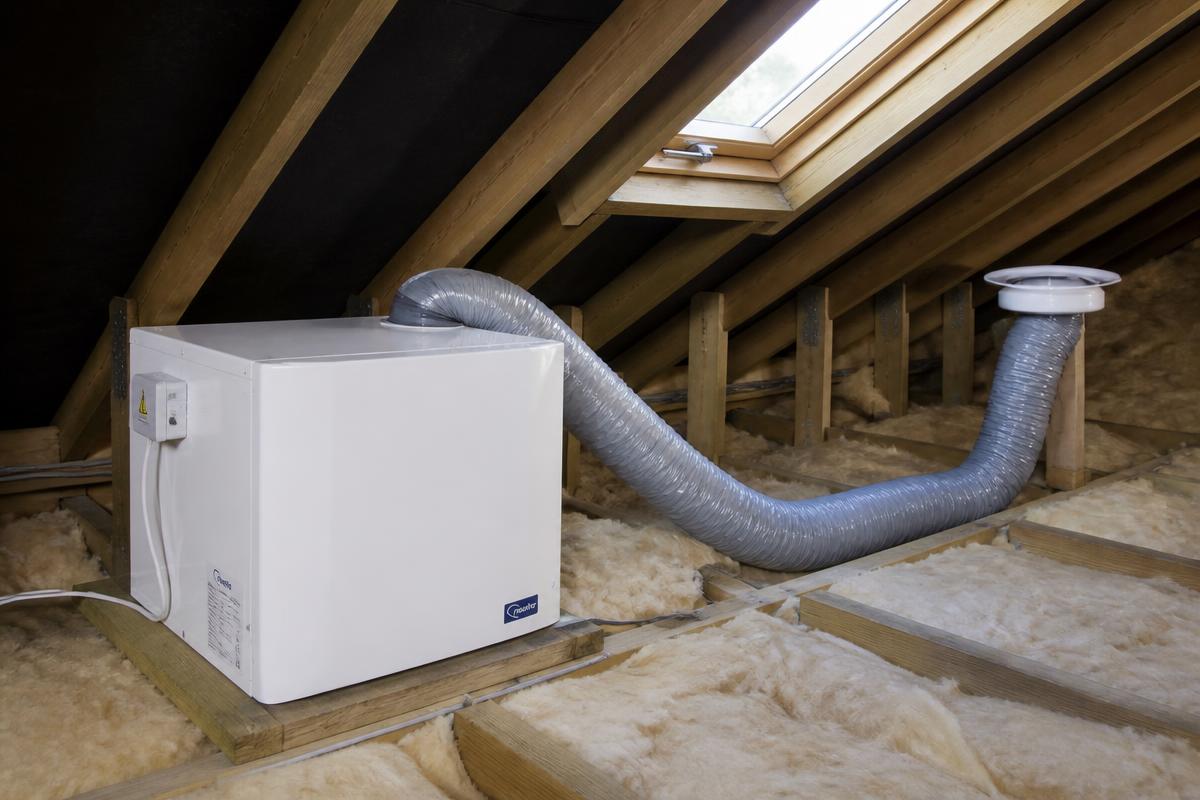
A PIV (Positive Input Ventilation) unit is a compact loft-mounted fan that gently pushes filtered fresh air into your hallway through a ceiling diffuser. That slight positive pressure pushes stale, moisture-heavy air out through natural gaps in the building, so humidity never gets the chance to sit on cold windows and walls.
It's the most cost-effective fix we know for streaming windows, musty smells and black mould in bedrooms, bathrooms and behind furniture — especially in well-sealed or newly insulated homes where moisture has nowhere to go. Running costs are pennies a day, most units are heater-free or have a low-power heater for cold snaps, and they run near silently.
Installation is typically a half-day job: we mount the unit on the loft joists, fit the diffuser in the landing ceiling, wire it to a fused supply and commission the airflow rate for your property size. We'll always check ventilation, insulation and any actual water ingress at the same time so we're treating the cause, not just the symptom.
Insulation done properly
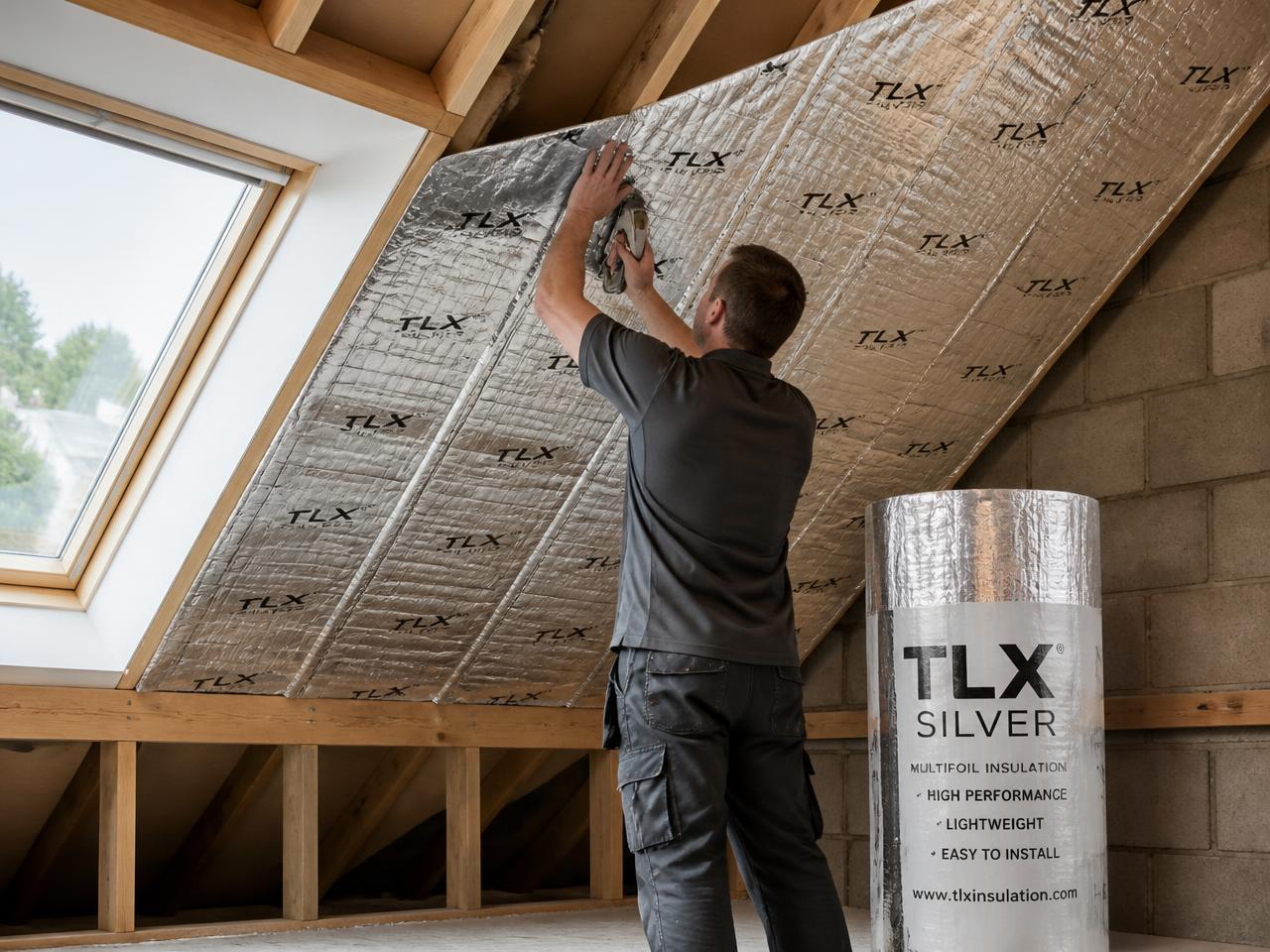
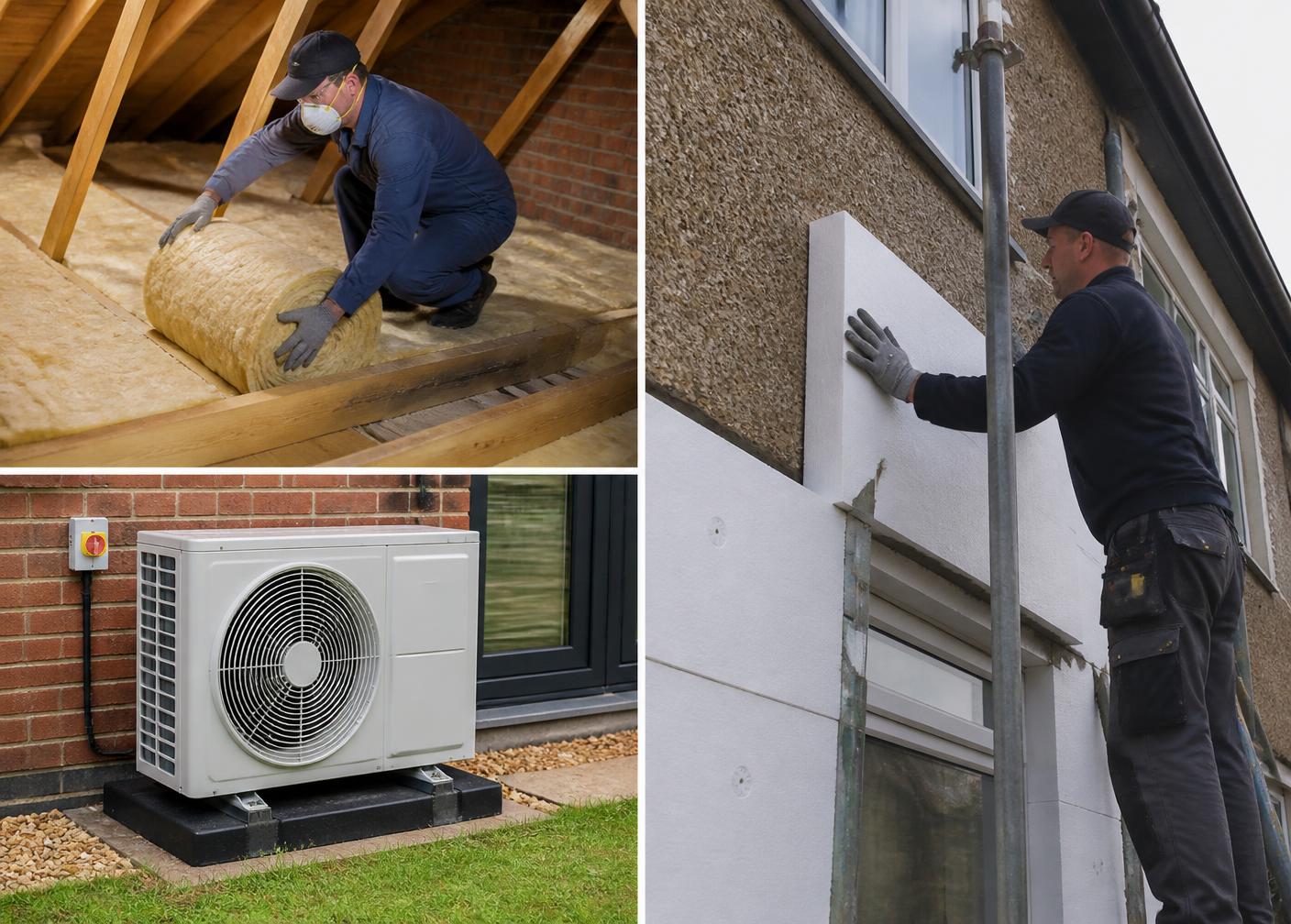
Badly fitted insulation causes damp and cold spots. We install to manufacturer spec, keep ventilation paths clear and make sure the fabric of the building can still breathe.
Lower bills, quieter, more comfortable
Most customers notice three things: rooms hold their heat, the boiler cycles less, and the house is quieter. Combine upgrades during a renovation or extension and you save on labour too.
Cut your heating bills month after month
Heating is the single biggest cost in most UK homes. Sealing draughts, insulating the loft and walls and getting ventilation right means the heat you pay for stays inside — so the boiler runs for shorter periods, at lower flow temperatures, and your winter bills drop rather than climbing every year.
Add solar and battery storage on top and you're also cutting the electricity you import at peak rates. Together, fabric and generation upgrades usually take a meaningful slice off annual running costs — and unlike a one-off saving, it repeats every single year you own the house.
A better EPC rating on paper
Every upgrade we fit feeds into your Energy Performance Certificate: loft and wall insulation, draught proofing, efficient heating controls, hot water improvements and solar PV all move the score. Plenty of homes sitting at a D or E can reach a C — or better — with a sensible package rather than a full retrofit.
That matters if you ever rent the property out, remortgage, or apply for green/low-rate finance, where lenders increasingly reward higher-rated homes. We'll tell you at survey stage which measures actually shift the rating and which just look good in a brochure.
Adding value to your property
Buyers now ask about running costs and EPC bands the same way they ask about parking. A warm, efficient, well-documented home with solar, insulation and low bills stands out against similar properties on the street — it typically sells faster, survives survey questions better and supports a stronger asking price. You get the comfort and the savings while you live there, and the value back when you sell.
Best done alongside building work
If you're already having an extension or renovation, that's the cheapest moment to add solar, a battery, insulation and better ventilation — the scaffolding is up, walls and floors are open and the cabling routes are accessible. One team, one programme, one set of costs.
Recent work
Frequently asked questions
- How much can solar panels and a battery save me?
- It depends on your roof, usage and tariff, but a typical family home with a well-sized solar and battery system cuts imported electricity substantially and can export the surplus. We model realistic figures for your property at survey stage rather than quoting best-case numbers.
- Can I add a battery to solar panels I already have?
- Yes — most existing systems can be retrofitted with either an AC-coupled battery or a replacement hybrid inverter. We'll check your current inverter, consumer unit and available space, then recommend the simplest option that works.
- Which energy upgrade should I do first?
- Usually fabric first: loft insulation, draught proofing and ventilation are cheap and cut heat loss immediately. Solar and battery come next for electricity costs. We survey before quoting and will tell you honestly if a small job gets you most of the benefit.
- Will energy efficiency work improve my EPC rating and property value?
- Yes — insulation, draught proofing, efficient heating controls and solar PV all count towards your EPC score, and many D or E rated homes can reach a C with a sensible package. A higher rating plus proven low running costs makes a property more attractive to buyers, tenants and lenders, so the work tends to support both a stronger sale price and lower bills in the meantime.
- What does a PIV unit do, and will it stop condensation and mould?
- A PIV unit sits in the loft and continuously supplies filtered fresh air into the landing, gently pressurising the house so damp, humid air is pushed out through natural gaps. It's very effective against condensation on windows, musty smells and mould in bedrooms and bathrooms. It runs for pennies a day, is near silent, and most installs take around half a day. We'll still check for leaks, bridging or missing extract fans so the underlying cause gets fixed too.